
Solutions
Dealership Declined Service Campaigns That Bring Customers Back
Declined Services Bring Customers Back for Missed Services
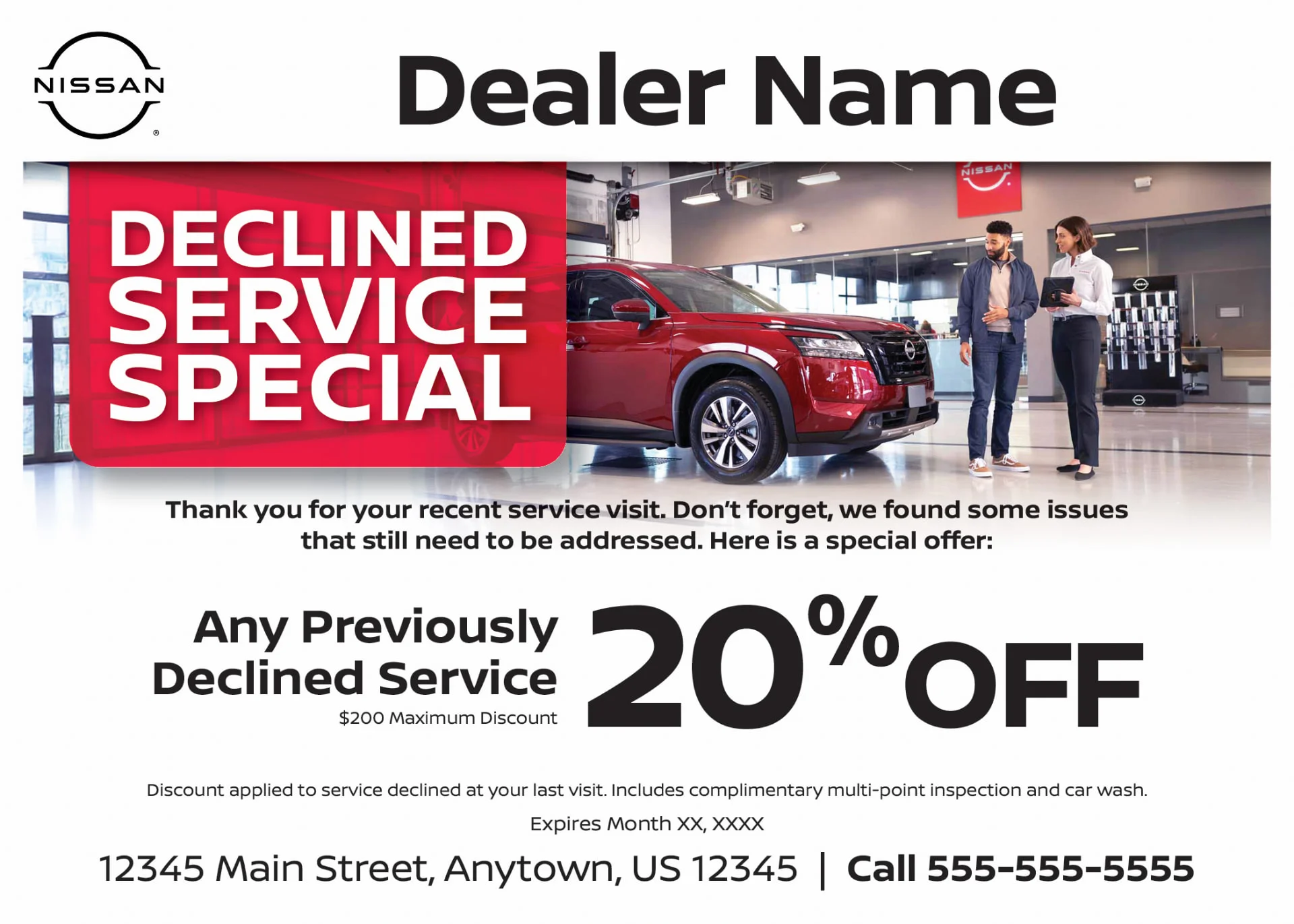
The recovery opportunity
Declined Service Doesn't Have to Mean Lost Revenue.
Every declined repair represents more than an unfinished service recommendation. It's an opportunity to recover revenue, bring customers back to your service department, and strengthen long-term retention. With targeted, timely follow-up campaigns, dealerships can turn yesterday's declined services into tomorrow's repair orders.
Revenue Opportunity
Average Repair Order Revenue
$357
Reported average revenue per declined-service repair order recovered through targeted marketing.
Customer Engagement
Average Campaign Response Rate
8.5%
Reported national average response rate for targeted declined-service marketing campaigns.
Competitive Urgency
Fewer Dealership Service Visits
12%
Dealerships have lost 12% of their service visit volume to competitors since 2018.
The opportunity is already in your service lane.
Your dealership has already identified the work. Dealerwing helps you reconnect with those customers through targeted, personalized marketing that encourages them to return and complete their recommended service.
Positioning
A Smarter Way to Recover Declined Services
Every declined service recommendation is a documented customer need. The customer was already in your service drive, a technician or advisor already identified the work, and the customer already heard the recommendation. The opportunity exists, but too often it dies inside the DMS because no one follows up consistently, the customer record is incomplete, or the campaign is built on data that cannot be trusted.
Dealerwing turns those declined services into a structured marketing opportunity. We help franchised new car dealers identify the right customers, validate the data, segment the opportunity, and deliver the message through the right channels, so your team has a clearer path to bring customers back for the work they already postponed.
Documented, Not Cold
Declined services are customers who already trusted your dealership enough to visit the service department. The need did not disappear when they left the drive.
Clean Data First
A campaign is only as strong as the data behind it. We validate ownership, marketability, and contact accuracy before a message ever goes out.
Segmented by Opportunity
A brake job, a tire concern, and a high-dollar repair each need a different message, timing, and channel mix.
Measurable Follow-Up
We track which audiences responded, which channels performed, and which customers created real repair order opportunities.
How it works
A process built on validated data
Identify the Opportunity
Organize declined service data so the dealership can see which customers postponed which work.
Clean and Validate
Review the audience for duplicate records, bad contact information, ownership accuracy, and out-of-market records.
Segment by Opportunity and Urgency
Match message, timing, and channel to the specific declined item.
Deliver Through Coordinated Channels
Reach customers via direct mail, email, SMS, social, landing pages, call tracking, and BDC follow-up.
Drive Customers to Action
Make it easy to respond with landing pages, appointment forms, or tracked phone numbers.
Track and Improve
Understand which audiences and channels performed, and where data quality can keep improving.
Use cases
Declined Service Campaign Types
The best declined service campaigns are built around the specific work that was postponed, not a generic reminder.
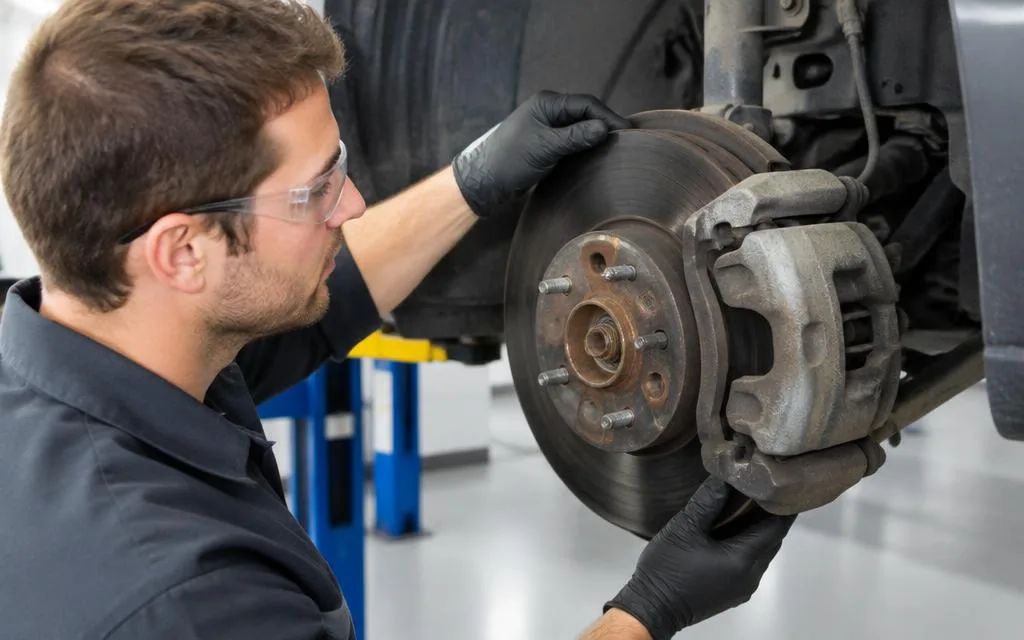
Brake Recommendations
Bring back safety-critical brake work customers already know about.
Messaging focuses on customer protection and vehicle condition so the recommendation feels relevant, not pushy.
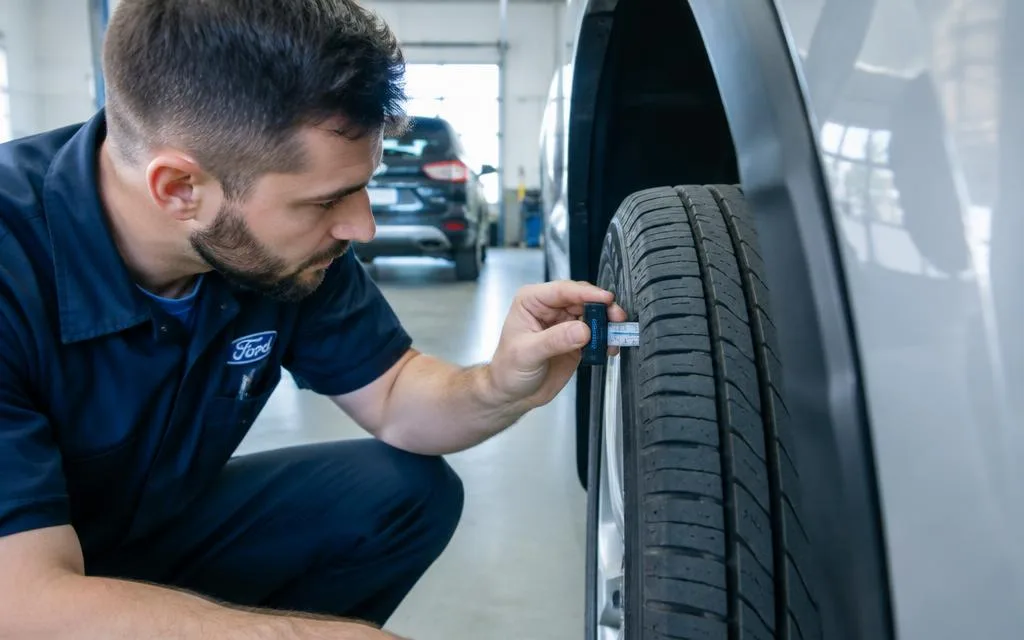
Tire Replacement
Recover tire wear and replacement recommendations before they're forgotten.
Targeted follow-up reminds customers why the recommendation mattered and makes scheduling easy.
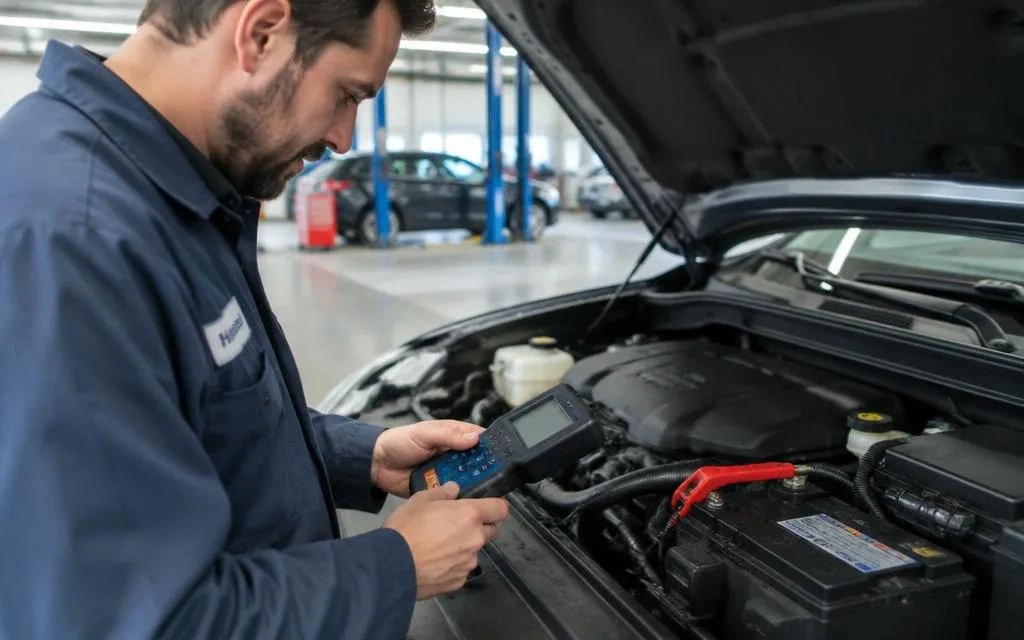
Battery Testing
Reconnect with customers who declined a battery test or replacement.
Seasonal timing and clear messaging help customers understand urgency without feeling chased.
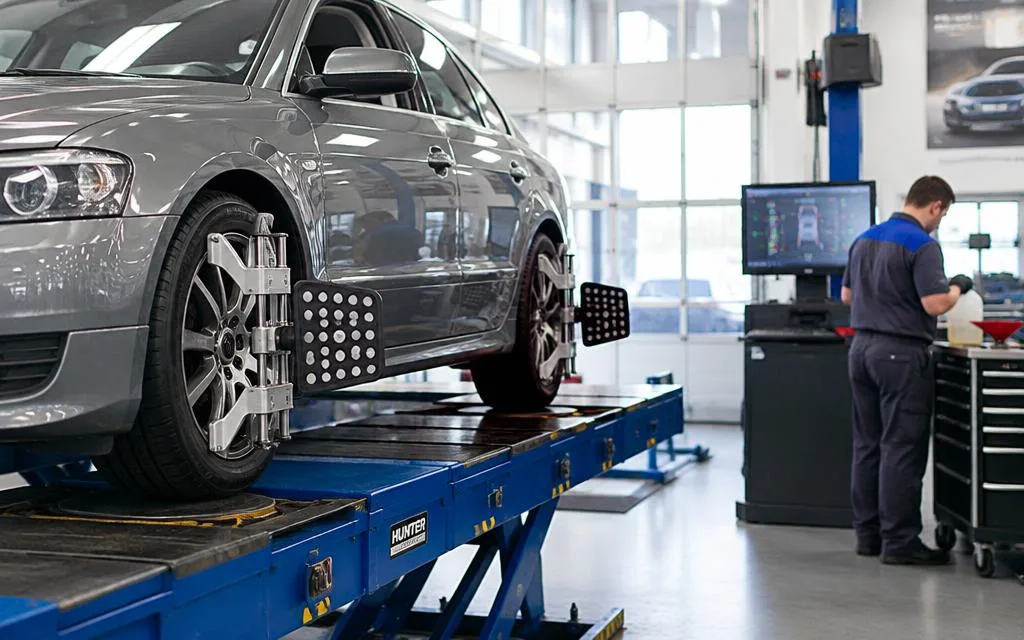
Fluid Services & Alignment
Recapture routine maintenance customers postponed.
Long-term reliability messaging keeps these lower-urgency items visible and top of mind.
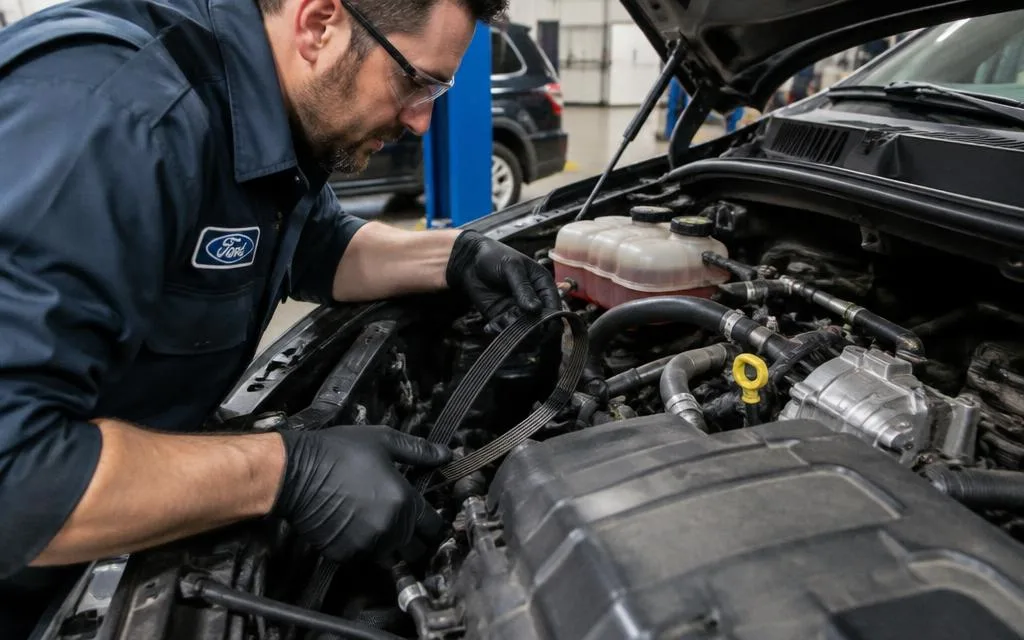
High-Mileage Maintenance
Target customers with declined scheduled maintenance at key mileage intervals.
Belts, hoses, filters, and mileage-based service items get bundled into a relevant, easy-to-act-on message.
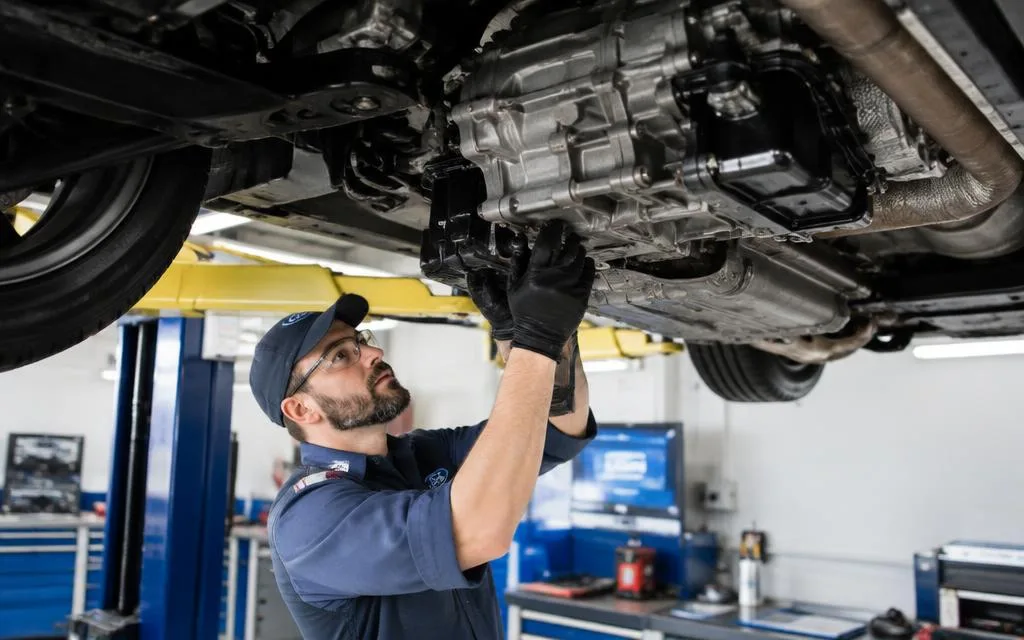
High-Dollar Repairs
Handle bigger-ticket declined work with a more consultative approach.
These customers may need options, timing flexibility, or a more personal follow-up rather than a generic reminder.
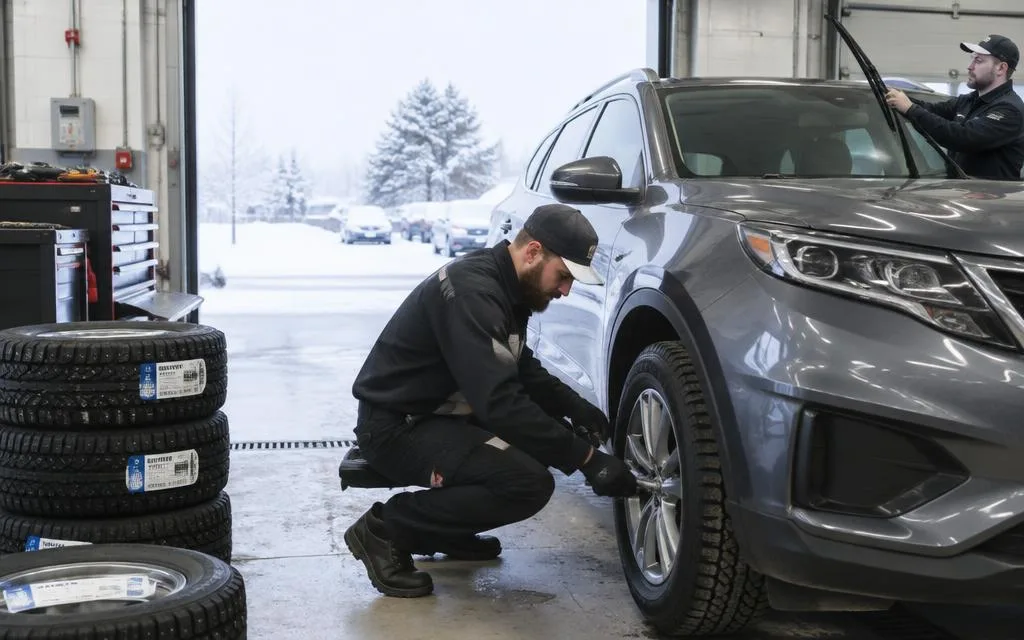
Seasonal Service Needs
Align declined service follow-up with seasonal timing.
Seasonal relevance increases the chance a postponed service turns into a scheduled appointment.
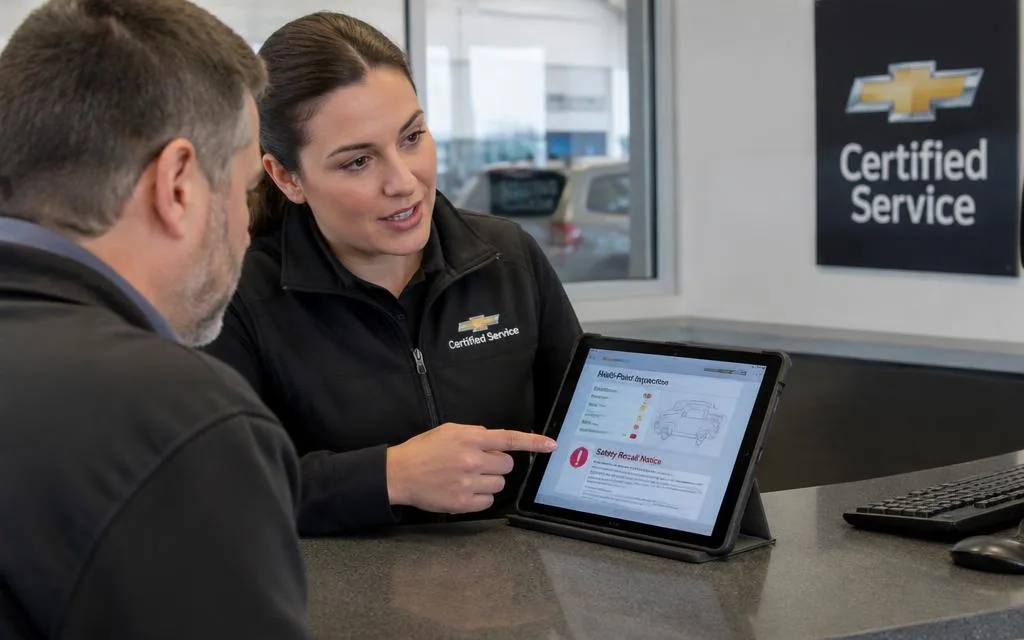
Recall-Related Follow-Up
Combine declined service and recall messaging where it applies.
Customers with multiple declined items or an overlapping recall get a coordinated, single message instead of duplicate outreach.
Deep dive
Understanding Declined Service Recovery
Learn why follow-up breaks down, how data quality changes outcomes, and how a declined service campaign should be built.
The Missed Revenue Opportunity Sitting in Your Service Department
Declined service is not the same as a cold lead. These are customers who already trusted your dealership enough to visit the service department. They may have declined because of timing, cost, confusion, or because they wanted to think about it. But the need did not disappear when they left the drive.
Without a consistent follow-up strategy, those opportunities are easy to lose. Advisors get busy. BDC teams may not have the right information. Customer records may be duplicated. Contact information may be outdated.
That is how real service opportunities disappear from the dealership.

How Dealerwing Declined Service Campaigns Work
The objective is not to send more messages. The objective is to send better messages to better audiences based on a documented service opportunity.
Identify
Find the declined service opportunity inside available service data.
Clean and Validate
Remove duplicates, fix bad contact info, and confirm ownership accuracy.
Segment
Group by opportunity and urgency so each recommendation gets the right message.
Deliver
Send the message through coordinated channels based on preference and data quality.
Drive Action
Move customers to respond with landing pages, appointment forms, or tracked phone numbers.
Track and Improve
Measure performance and use what you learn to improve the next campaign.
Where the revenue leaks
Why Declined Service Follow-Up Breaks Down
Dealers rarely lose declined service opportunities for lack of effort. They lose them because the process is inconsistent and the data is not clean enough to support reliable follow-up — so customers forget, competitors capture the work, and leadership never sees the full value of what was already identified inside the service drive.
- 1
Capture — unrecorded work
Declined items are not captured consistently in the DMS or service workflow.
- 2
Document — missing reason
The reason for decline is not documented clearly enough to support a relevant follow-up message.
- 3
Identify — duplicate records
Customer records are duplicated across sales, service, recall, and previous repair history.
- 4
Reach — bad contact data
Phone numbers, emails, and addresses are outdated or invalid.
- 5
Verify — wrong owner or market
The customer no longer owns the vehicle or has moved out of market.
- 6
Prioritize — no shortlist
The BDC does not have a prioritized list of realistic opportunities.
- 7
Message — generic message
Messages are too generic and do not explain why the recommendation matters.
Seven gaps, one quiet outcome.
Each gap compounds the next. By the time a declined recommendation would have been followed up, it has usually been captured inconsistently, documented thinly, and disconnected from a reachable contact — so the message that finally goes out says less than the customer needs to hear.
Why Clean Data Matters in Declined Service Recovery
A declined service campaign is only as strong as the data behind it. If the customer record is wrong, the campaign may reach the wrong person. If ownership is outdated, the customer may no longer have the vehicle. If the customer moved out of market, the campaign may not be realistic. If one customer exists under multiple customer numbers, the dealership may not see the full service history.
This is where many fixed ops campaigns fail before the first message is sent. Dealerwing helps dealers look beyond raw database volume and focus on customers who are actually marketable, reachable, relevant, and in market. That is what gives declined service follow-up a stronger foundation.
Your customers, cleaned
66 of 132 records ready
Why Declined Service Follow-Up Supports Service Retention
Customers who decline service are not always lost. Many are simply delayed. The dealership has an opportunity to stay connected, provide useful information, and bring the customer back before the work is completed somewhere else.
When declined service follow-up is handled correctly, it can support service retention, customer trust, BDC efficiency, fixed ops revenue, and long-term customer lifecycle marketing.
Declined Service Follow-Up: One of the Sharpest Tools in Our Toolbox
The toolbox holds declined service recovery, recalls, conquest, mobile service, lost customer, sold-not-serviced and parts planning. Each one runs on validated ownership records and vehicle data, so you reach customers who postponed real work instead of guessing who to contact.
Pick the tool that fits the moment. Targeting, timing and measurement come with it, so the right customer gets a clear reminder about the recommendation they already declined while it still matters.
FAQ
Common questions
Before launching another declined service campaign, dealership leadership should be able to answer these questions about the audience, the message, and the follow-up plan.
What are declined service campaigns?
Declined service campaigns are targeted follow-up campaigns designed to bring customers back for recommended maintenance or repair work they previously declined or postponed.
Why are declined services important for dealerships?
Declined services represent documented customer needs. The customer has already visited the service department and the recommendation has already been identified, which makes follow-up more relevant than a generic service promotion.
What makes declined service follow-up difficult?
Declined service follow-up becomes difficult when declined items are not captured consistently, customer records are duplicated, contact information is bad, ownership is outdated, or the BDC does not have a prioritized list of realistic opportunities.
What channels can be used for declined service campaigns?
Depending on data quality and campaign strategy, declined service campaigns can use direct mail, email, SMS, social media, personalized landing pages, phone tracking, and BDC follow-up.
How does data quality affect declined service campaigns?
Data quality determines whether the campaign reaches the correct customer for the correct vehicle with the correct service message. Bad data creates waste before the campaign starts.
How is Dealerwing different from a basic follow-up reminder?
Dealerwing approaches declined service recovery as a data-first marketing strategy. The focus is on cleaner audiences, better segmentation, coordinated outreach, and measurable campaign performance.
Can declined service campaigns support customer retention?
Yes. Consistent, relevant follow-up can help keep customers connected to the dealership and reduce the chance that recommended work is completed elsewhere.
Are declined services being captured consistently?
Consistent capture is the starting point. When declined recommendations are not recorded the same way in the DMS or service workflow, follow-up cannot be assigned, measured, or turned into a campaign.
Is the declined service tied to the correct customer and vehicle?
Follow-up only works when the recommendation belongs to a verified owner and a specific vehicle. Records that are not matched to the right customer and vehicle produce outreach that feels irrelevant and gets ignored.
Does the customer still own the vehicle, and are they still in market?
Ownership and location change. Validating both before a campaign goes out keeps budget focused on customers who can realistically come back to your service lane.
Is contact information valid, and are duplicate records distorting the opportunity?
Outdated phone numbers, emails, and addresses suppress reach, while duplicated customer numbers make an opportunity look larger or smaller than it is. Cleaning both gives leadership a realistic view of what can be recovered.
Is the message matched to the service that was declined?
A generic promotion rarely explains why the work matters. Messages that reference the specific recommendation a customer postponed give them a clear reason to respond.
Is the BDC receiving a prioritized list of realistic opportunities?
Teams need a ranked list of customers who are reachable and relevant, not a raw export. Prioritization is what turns a declined service list into daily follow-up work.
Can the vendor show which records were suppressed and why?
Transparency on suppression is what makes a list trustworthy. A dealer should be able to see which records were removed for duplicates, bad contact information, ownership accuracy, or out-of-market reasons.
What should a dealer do next?
A dealer should review how declined services are captured, how customer data is validated, how follow-up is assigned, and whether campaigns are being measured accurately.