

Technology
AI BDC Agents Built for Fixed Ops Scheduling, Not Generic Chat
Outbound Voice and SMS Agents Trained on Your Service Workflow
Live demo
Have a Real Conversation with an AI BDC Agent
The agent is running live right here. Press Start Call, then ask about a declined-service repair, a recall notice or getting a service appointment on the calendar, and listen to how it answers, handles hesitation and books the visit.
Headphones or speakers help, and your browser will ask to use your microphone the first time you press Start Call.
Talk to the Future of
Dealership Scheduling
Experience your always-on AI scheduling team
Ready
The problem
Too Many Follow-Ups to Make, Too Few Hours in the Day
Your BDC has too many declined-service follow-ups, too many lost customers and too many recall letters to call every one of them within a week that matters. That is not a staffing failure. It is math. A human team can only make so many calls and send so many texts before the opportunity goes cold.
Dealerwing's AI BDC agents handle outbound voice and SMS conversations trained specifically on fixed ops workflows: declined service, recall follow-up, retention outreach and appointment scheduling. The agent calls or texts within hours instead of weeks, answers common questions, and books directly into your scheduling system.
This does not replace your BDC. It augments it. Routine follow-up gets handled at scale and speed, and anything that needs a real conversation, an upset customer, a complex repair question, a price negotiation, gets escalated to your team with full context already attached.
Trained on Fixed Ops, Not Generic Scripts
Agents are configured on your store's actual declined-service, recall and scheduling workflows, not a one-size-fits-all script.
Speed Your Human Team Can't Match Alone
Every prioritized customer gets contacted within hours of being identified, not whenever a rep gets to the bottom of the list.
Human Handoff Built In
Complex cases, unhappy customers and high-value opportunities route to your BDC with the full conversation history attached.
Compliant by Design
Every call and text respects consent, opt-outs, and TCPA call-time and state-specific rules automatically.
How it works
A process built on validated data
Configure the Agent
Build scripts, scheduling rules and escalation triggers around your store's actual fixed ops workflow.
Validate the Contact List
Run outreach against resolved, scored customer data so calls and texts reach real, current contacts.
Launch the Campaign
The agent contacts prioritized households by SMS or voice, answers routine questions and books appointments.
Escalate What Needs a Human
Complex or high-value conversations route to your BDC with full context attached.
Review and Refine
Transcripts and outcomes are reviewed regularly to sharpen scripts and scheduling rules.
Use cases
Where AI BDC Agents Actually Get Used
These are the fixed ops workflows dealers run through AI agents first, because the volume is high and the conversation is usually simple.

Declined Service Follow-Up
Call every declined-service customer within 48 hours, not 48 days.
The agent references the specific declined item, answers cost and scheduling questions, and books the appointment directly.

Recall Outreach
Reach recall-affected customers with a clear, compliant message.
Agents explain the recall in plain terms, confirm the customer still owns the vehicle, and schedule the appointment.
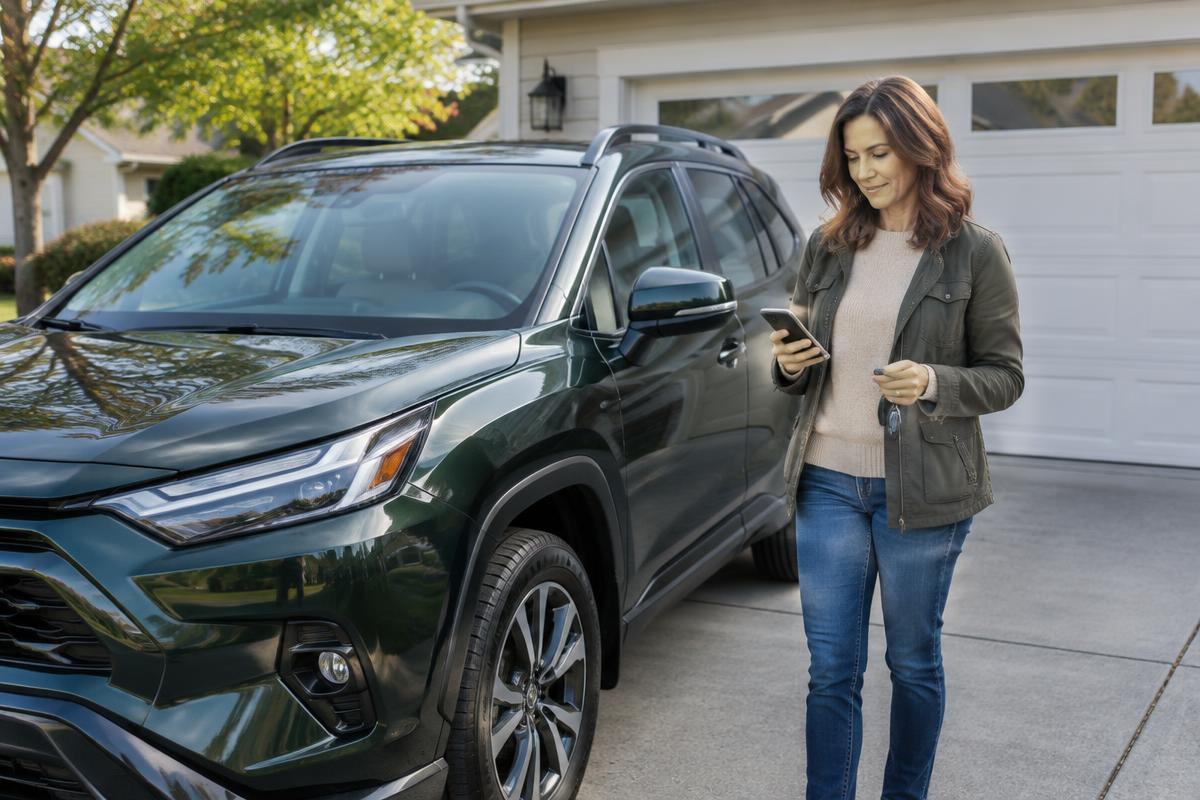
Lost Customer Reactivation
Text and call customers who haven't been in for a service interval.
The agent references the customer's last visit and mileage interval to make the outreach feel specific, not generic.

Appointment Confirmations and Reminders
Cut no-shows without tying up a human phone line.
Automated confirmation sequences reduce missed appointments and free BDC time for calls that require judgment.

After-Hours Inbound Capture
Answer the SMS that comes in at 9pm instead of losing it overnight.
The agent responds immediately, answers routine questions and schedules or escalates, instead of the message sitting unread until morning.

Objection and FAQ Handling
Answer 'how much will this cost' without a callback loop.
Common cost, timing and process questions are answered directly so customers don't stall out waiting for a human reply.
Deep dive
Understanding AI BDC Agents for Service
How the agents are trained, what they can and can't do, and where the human handoff happens.
More follow-up. The same team.
Why Fixed Ops Follow-Up Falls Behind
The service drive keeps creating opportunities while your BDC is already answering today's calls. A declined repair needs another conversation. A recall list needs ownership confirmed. A customer who has stopped visiting needs a reason to come back. Each list competes with the appointments and questions arriving right now.
The problem is not a lack of effort. It is a mismatch between the volume of routine outreach and the time people have to make it. When a list waits, the original recommendation becomes harder to remember and the next visit becomes harder to earn.
An AI agent takes on repeatable calls and texts while your team keeps handling the conversations that require judgment. The goal is a coordinated workload: routine follow-up gets attention without pushing difficult customer situations to the back of the queue.
Give every opportunity a next step—not another place on a waiting list.
One service drive. Two coordinated lanes.
AI-led follow-up
Human-led conversations
Complex repairs · Customer concerns · Pricing exceptions
Your service process sets the conversation
How the Agents Are Trained
Training starts with the way your dealership actually works. We define how the agent describes a declined recommendation, explains a recall visit and responds to common questions. Approved language gives the conversation a consistent starting point without treating every customer situation as identical.
Scheduling is part of that preparation, not an afterthought. Service hours, appointment rules, advisor availability and the details needed to book a visit shape what the agent can offer. It should guide a customer toward a workable next step—not promise something the service drive cannot deliver.
Your BDC manager also defines the boundaries. Sample conversations help the team review tone, check answers and identify situations that need a person. As your process changes, reviewed conversations become a practical way to refine the agent's guidance.
A useful agent learns your workflow—and where that workflow stops.
Built around your dealership
- 1
Service knowledge
Approved descriptions, common questions and store language.
- 2
Scheduling rules
Service hours, appointment requirements and availability.
- 3
Human boundaries
Complaints, exceptions and questions outside the approved scope.
- 4
Review and refine
Sample conversations and feedback from your BDC manager.
Routine conversations. Human judgment.
What the Agent Does and Does Not Handle
The agent is suited to a clear service-related task: follow up on a declined item, explain the next step for a recall or help a customer find an appointment. It can answer approved questions about timing and process, collect the details needed for scheduling and keep the conversation focused on the customer's reason for being contacted.
A complaint about a previous repair is a different conversation. So is a request for a pricing exception, a goodwill decision or a complex technical answer. Those situations belong with your team. The agent should not improvise a diagnosis or negotiate beyond the instructions your store has approved.
A good handoff carries the customer request and conversation history with it. Your representative can see why the customer was contacted, what was discussed and what remains unresolved. That context helps the human conversation continue instead of starting over.
Escalation is part of the workflow, not a failed conversation.
A handoff with context
Customer
“I have a question about my last repair. Can I speak with someone?”
AI agent
“Your service team can help with that. I'll pass along what you've shared.”
Your BDC picks up the conversation
Customer request + conversation history + reason for handoff
Permission comes before outreach
Compliance and Consent
A valid phone number is not permission to contact someone. Before outbound voice or SMS outreach, the program needs documented consent for the applicable communication. Consent, contact information and the purpose of the campaign must be considered together—not treated as interchangeable checks.
Customer preferences continue to matter after a campaign starts. Opt-outs need to be honored across voice and SMS, and outreach must respect applicable call-time and state-specific restrictions. A customer's request to stop is not an objection for the agent to overcome.
Interaction records make the process reviewable. Your team can examine what was said, how the customer responded and why a conversation was routed or stopped. Deployment should include a review of the rules and consent practices that apply to your store; automation does not remove that responsibility.
A reachable customer and a permitted contact are two different things.
Before the conversation starts
Documented consent
Permission for the applicable communication.
Customer preferences
Opt-outs honored across voice and SMS.
Permitted timing
Applicable call-time and state-specific restrictions.
Accurate data makes the conversation relevant
How This Fits With Identity Resolution
An AI agent given an outdated number can only reach the wrong person more efficiently. Duplicate records can create repeated outreach, and an old vehicle association can make a recall conversation irrelevant before it begins. Speed becomes useful only after the customer record is ready to support the conversation.
Identity Resolution (Data Hygiene) resolves and validates customer information before it reaches the campaign. The contact method needs to belong to the intended customer, and the service or vehicle context needs to be appropriate to the task. Consent remains its own requirement, separate from data validation.
With those foundations in place, the agent can reference a relevant service recommendation or prior visit instead of opening with a generic message. When the customer corrects a detail or no longer owns the vehicle, that answer gives your team useful context for the next decision.
Resolve the customer first. Then start the conversation.
A record ready for outreach
- Customer
- Resolved identity
- Contact method
- Validated phone number
- Service context
- Relevant vehicle and recommendation
- Consent
- Verified separately
Relevant customer context gives the conversation a reason to happen.
Start with a defined workflow
What Dealers Should Ask Before Deploying AI Agents
A focused launch is easier to evaluate than an agent asked to handle everything at once. Choose a service workflow, define the intended next step and agree on the situations that require a human. Your team should be able to explain what a successful conversation looks like before the first customer is contacted.
Ask to see the process, not just hear a polished demo. Review how consent is checked, what triggers an escalation, whether transcripts are available and how scheduling rules are maintained. Test the uncomfortable questions too: a customer who wants a person, a complaint, a changed vehicle or a request outside the approved scope.
After launch, review conversations alongside appointments and handoffs. An appointment is one outcome; a request for human help or a corrected customer detail can also reveal something important. Use those observations to refine the workflow rather than measuring activity alone.
Judge the agent by the quality of the next step—not simply the number of calls.
Your launch review
- 01
What triggers an escalation to a human rep?
- 02
How is consent verified before a customer is contacted?
- 03
Can we review call and text transcripts?
- 04
How does the script change when our process changes?
- 05
What happens when a question is outside the agent's training?
FAQ
Common questions
Will this replace our BDC staff?
No. The agents absorb routine, high-volume outbound work so your BDC can focus on complex conversations, upset customers and high-value opportunities that need a person.
How do customers react to talking to an AI agent?
Most customers respond normally to a clear, direct conversation about scheduling. The agent identifies itself, and any customer who wants a human is escalated immediately.
Are the calls and texts TCPA compliant?
Yes. We only contact customers with documented express consent, honor opt-outs in real time, and enforce call-time and state-specific restrictions automatically.
Can we review what the agent said to customers?
Yes. Every call and text is logged and available for review, including outcomes and escalation reasons.
How is this different from a basic chatbot?
The agent is trained on your specific fixed ops workflows, connects directly to your scheduling system, and knows when to stop and hand off to a human, rather than following a generic decision tree.
What if the agent can't answer a customer's question?
It escalates to your BDC with the conversation history attached instead of guessing or giving a vague answer.
How quickly can this be deployed?
Most stores are running an initial campaign within a few weeks of providing workflow details and a validated contact list.